

A construction site doesn’t face the same threats as a logistics facility. A dealership doesn’t operate like a healthcare facility. And a commercial property has completely different security demands from a school campus. SPADE builds security programs around how your people, property, assets, and operations actually move—combining trained security personnel, intelligent technology, monitoring, patrol, and response according to the risks specific to your environment.
Protect tenants, property assets, access points, parking areas, and commercial facilities with security built around your operating environment.
Protect equipment, materials, workers, access points, and active construction sites from theft, vandalism, and unauthorized activity.

Secure inventory, loading areas, employees, vehicles, access points, and high-value operations across the distribution environment.

Protect vehicle inventory, customers, employees, facilities, and dealership property from theft, vandalism, and after-hours security risks.
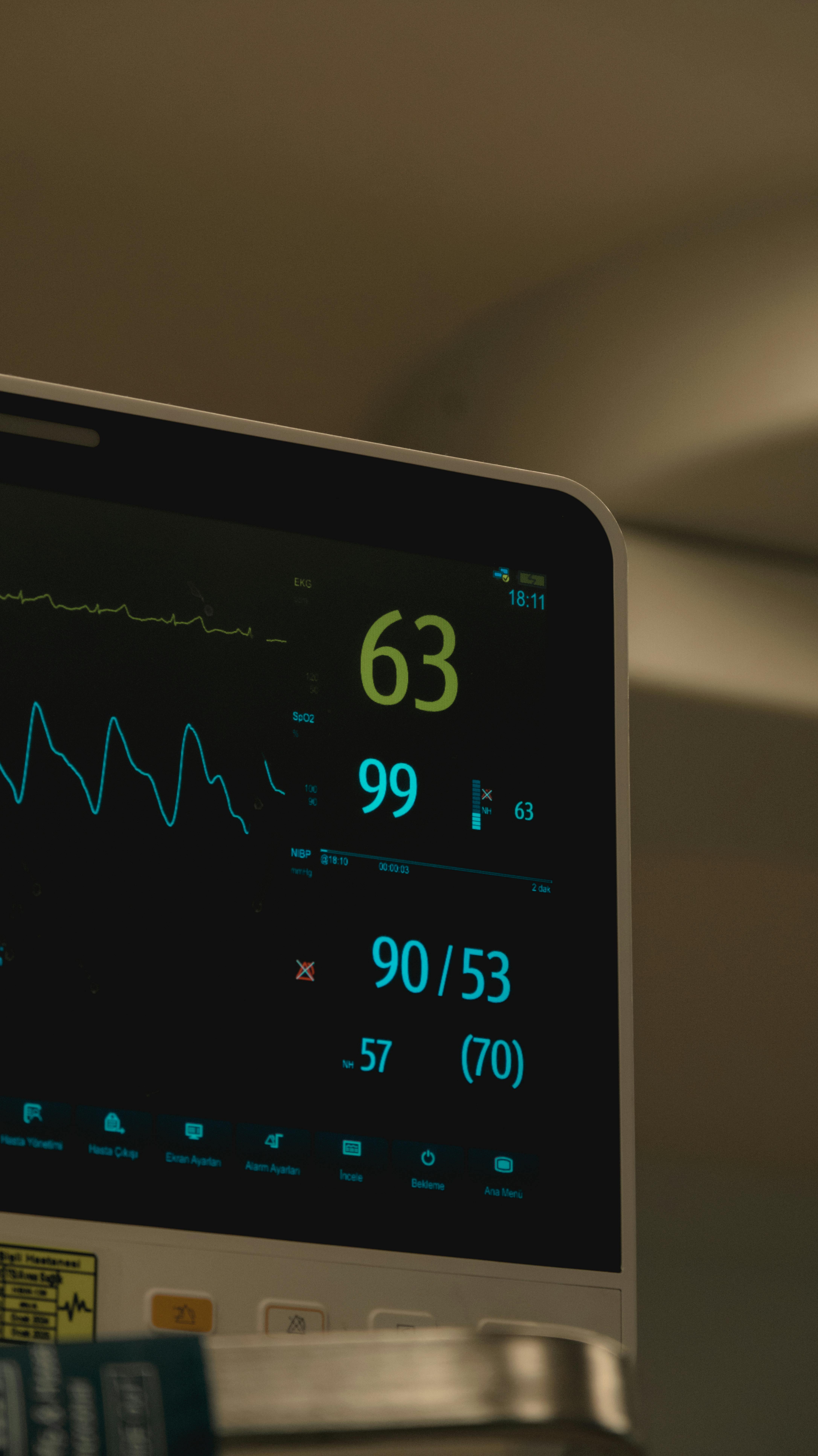
Support patient safety, staff security, controlled access, incident response, and uninterrupted healthcare operations.
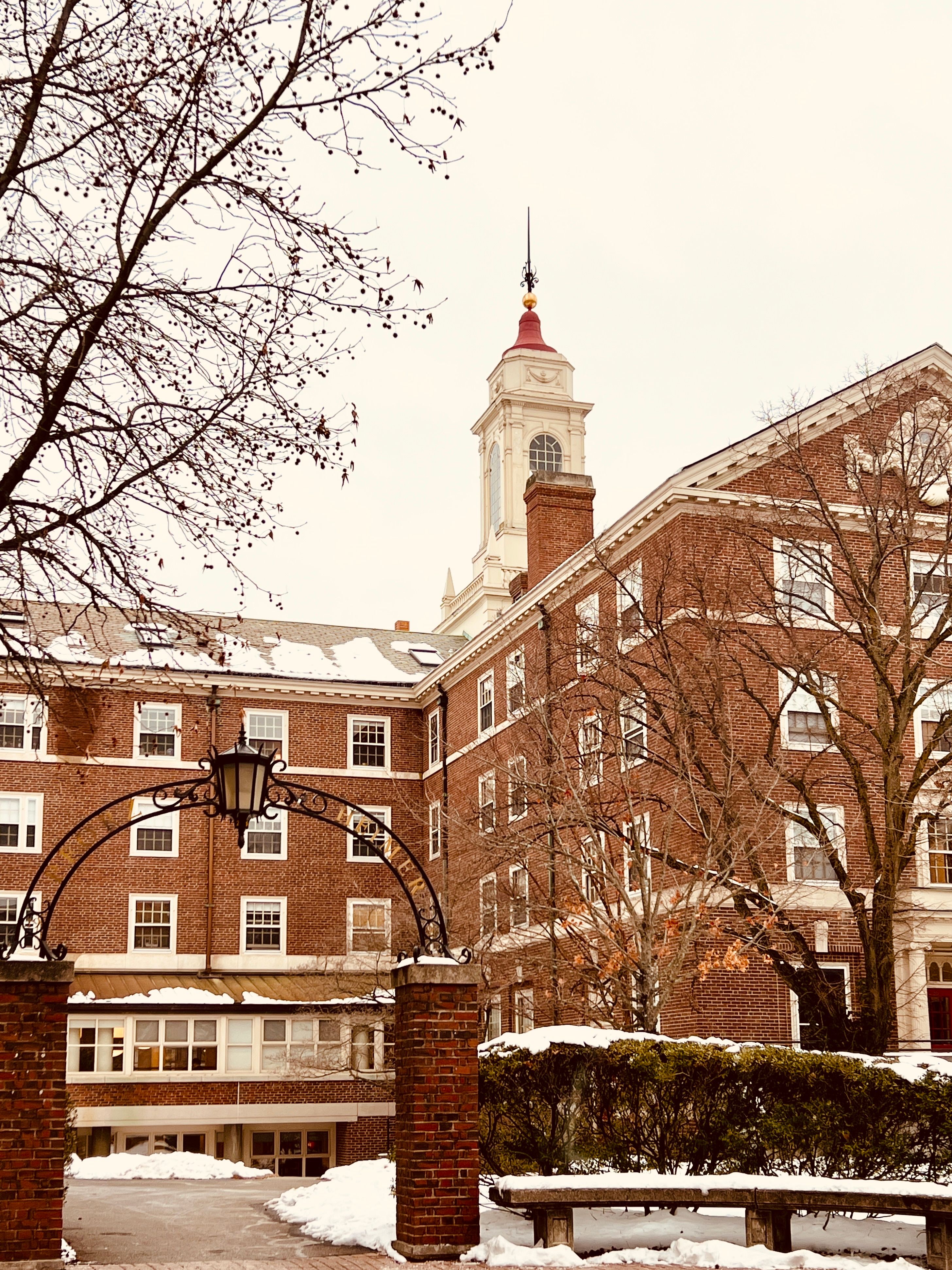
Support safer campuses with controlled access, visible security presence, incident response, and protection for students, staff, visitors, and facilities.
Most security providers offer the same guards, the same reports, and the same security approach—regardless of the industry they serve. But a construction site, warehouse, dealership, property, campus, or healthcare facility does not face the same risks.
SPADE evaluates the operational flow, risk exposure, and security challenges unique to your industry—then builds a security program around what actually needs to be protected.
A guard can be present without solving the problems that matter most to a property manager. Trespassing, loitering, tenant complaints, and delayed reporting can continue if the security program isn't built around the tenant environment.
Access control becomes more complicated when employees, visitors, vendors, executives, and sensitive areas share the same facility. A generic approach can create gaps without addressing how people actually move through the property.
Waiting for theft, vandalism, complaints, or another incident before adjusting security means the organization is learning about its vulnerabilities after they have already caused a problem.
We identify the operational conditions that create exposure—whether that's an unattended construction site, an open dealership lot, a busy loading dock, a commercial property's shared spaces, or a campus with multiple access points.
Security personnel need to understand the environment they are protecting. SPADE matches personnel and operating procedures to the demands of the property rather than treating every assignment the same.
Security information should help management make decisions. SPADE reporting is designed to provide visibility into incidents, activity, vulnerabilities, and response—not simply document that a shift occurred.
Keeping properties accessible while addressing the security problems tenants notice first.
Key concerns include trespassing, loitering, tenant complaints, after-hours activity, and delayed communication when incidents occur. These are exactly the issues identified in SPADE's property-management persona.
Protecting the operation while maintaining the movement of people, vehicles, and freight.
Protecting the site while the project, perimeter, and risk profile continue to change.
Key concerns include equipment and tool theft, copper and material theft, and after-hours visibility gaps.
Protecting high-value inventory that remains exposed across open and overflow lots.
Key concerns include vehicle theft, catalytic-converter theft, vandalism, after-hours exposure, and visibility across large or off-site inventory areas.
Protecting sensitive areas and critical operations while keeping healthcare accessible.
Key concerns include restricted areas, sensitive assets, workplace safety, controlled access, and the need for coordinated response across a facility that operates around the clock.
Protecting students, staff, and facilities without turning the campus into a restrictive environment.
Key concerns include campus vandalism, aging infrastructure, budget limitations, and the need for faster after-hours incident detection and stronger documentation.
We don’t just assign personnel and hope for the best. SPADE uses a systematic, tech-forward process to transition your facility from a vulnerable state to an airtight operation.
We examine the property's physical layout, traffic patterns, access points, operating hours, high-value areas, existing security measures, and known vulnerabilities.
We develop a security program around the conditions identified during the assessment—bringing together personnel, surveillance, monitoring, patrol, access control, and response where appropriate.
Security should not remain static after deployment. Incident activity, operational changes, and reporting provide information that can be used to refine coverage and address emerging vulnerabilities.
Security is an operating expense. The results should be operational.
Address vulnerabilities that create opportunities for theft, vandalism, unauthorized access, and property damage.
Improve the path from detection to verification to appropriate response before an incident escalates.
Security resources are focused on the areas, assets, and vulnerabilities that present the greatest risk to your property.
SPADE’s approach begins with understanding the specific property and operational requirements. We don’t start with a predetermined security package and force the site to fit it. We assess the environment first, then determine what combination of personnel, technology, monitoring, patrol, and response makes sense.
We begin by understanding your existing program, identifying immediate gaps, and establishing a transition plan designed to maintain security coverage throughout the changeover.
SPADE’s personnel and operating procedures are matched to the environment they are protecting. The objective is not simply to place an officer on-site, but to ensure that personnel understand the conditions, activity, risks, and responsibilities associated with the assignment.
Reporting should provide management with useful information—not just proof that a shift occurred. SPADE documents incidents, observations, activity, and response so management has a clearer record of what is happening across the property.
The better comparison is not simply the hourly rate of a guard. It is the value of the security program against the risks it is designed to address. SPADE builds coverage around the property’s actual vulnerabilities so resources aren’t wasted on a generic model that may leave critical gaps.
