
Pharmaceutical Cold-Chain Theft Has Become a Billion-Dollar Problem. Most Warehouse Operators Don't Realize Their Cooler Doors Are the Weakest Point.
Author
Pranil Shankar
Post Date
July 24, 2026
Views
194
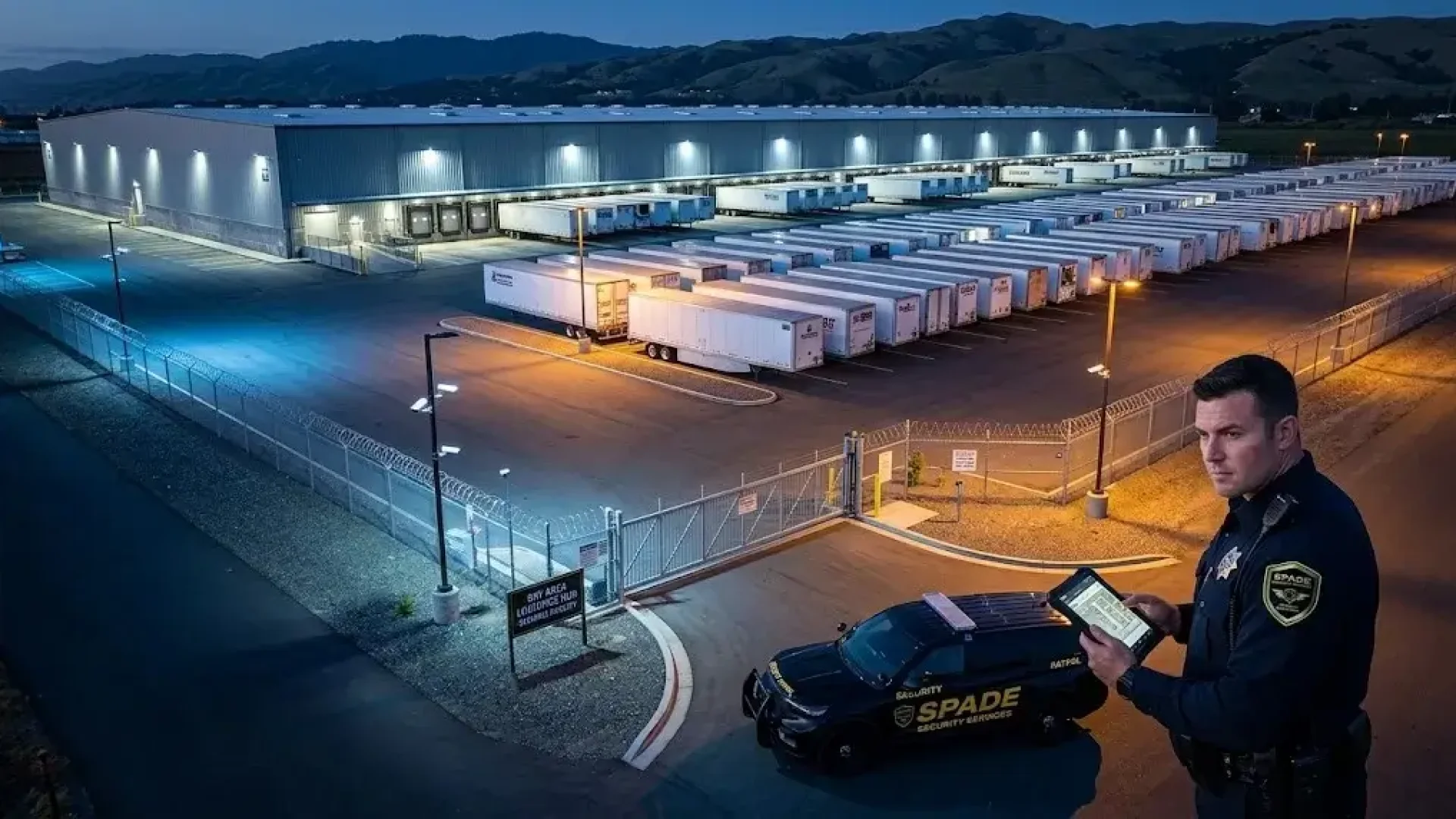
Pharmaceutical Cold-Chain Theft Has Become a Billion-Dollar Problem. Most Warehouse Operators Don’t Realize Their Cooler Doors Are the Weakest Point.
Cargo theft across the United States has escalated sharply in 2026: total reported losses reached an estimated $304.6 million in the second quarter of 2026 alone, more than double the $135.7 million reported in the same quarter of 2025, according to supply chain risk tracking data. That builds on a 27 percent increase in cargo theft losses in 2024 alone.
Within that broader surge, refrigerated and temperature-controlled pharmaceutical freight has emerged as one of the categories organized groups increasingly target — the product inside carries both high street value and a short replacement window, making cold-chain warehouse facilities an attractive target in regional distribution corridors.
What Happened?
According to supply chain investigators, organized groups have shifted their focus from general freight to high-value refrigerated pharmaceuticals because of three factors: predictable stocking patterns, identifiable warehouse locations, and short shelf life that forces rapid resale.
Typical operations involve:
- Surveillance of cooler bay activity and loading schedules
- Compromised driver or dispatch credentials to schedule legitimate-looking pickups
- Targeted theft of full pallets before temperature loggers are reviewed
- Resale through unlicensed online pharmacies within hours of theft
- Refrigerated reefer units stolen directly from staging yards overnight
Unlike opportunistic theft, these operations are planned around the temperature-controlled supply chain itself.
Regional distribution corridors with dense inland warehouse activity, including Northern California, are increasingly exposed as cold-chain freight volume grows in those markets.
Because the stolen product is often moved before refrigeration integrity can be verified, affected operations may not detect a chain-of-custody break until downstream pharmacies report shortages.
Why It Matters to Logistics Operators
The shift highlights a security issue cold-chain operators cannot afford to overlook:
The technology protecting your temperature-controlled freight can become part of the exposure if it is not aligned with how the product moves.
Modern cold-chain operations may rely on multiple layers of protection, including:
- Cooler and freezer access control
- Continuous temperature and door telemetry
- Driver and carrier verification at the dock
- GPS tracking on reefer units and high-value pallets
- Sealed chain-of-custody documentation
- Surveillance and intrusion detection in staging yards
- After-hours monitoring and patrol
Each layer can provide protection.
But each layer also needs to be maintained, monitored, and considered as part of the facility’s overall security strategy.
The Security Gap
A cold-chain facility can have sealed cooler doors while the dock door that loads product for outbound shipment remains open during a documented driver credentialing gap.
That creates a gap between temperature integrity and physical integrity.
The question is no longer simply whether the product stayed cold.
The more important question is whether the people, vehicles, and documents moving it in and out are continuously verified against an actual operational standard.
What Cold-Chain Operators Should Review
1. Know Who Is Entering the Cooler Zone
Maintain accurate records of carriers, drivers, technicians, and contractors authorized to access refrigerated bays. Verify identity at the dock — not just paperwork in the office.
2. Monitor Supply Chain Threat Advisories
Pharmaceutical theft patterns evolve with product demand. Operators should have a process for tracking industry alerts, FDA shortage notices, and partner advisories that signal elevated risk for specific SKUs.
3. Protect the Physical Yard and Reefer Units
Technology should complement — not replace — physical security measures such as lighting, perimeter fencing, controlled gate access, reefer unit locks, and after-hours patrols in staging areas.
4. Identify High-Value Exposure and Connect Detection With Response
Determine which SKUs, lanes, and bays carry the greatest theft risk and whether those areas receive appropriate monitoring and verification after normal operating hours.
A temperature or door alert has limited value if nobody is responsible for verifying it and determining what happens next.
Establish a clear after-hours response process with defined roles and escalation contacts.
The Bigger Lesson
The cold-chain theft trend is not simply a story about refrigerated freight.
It demonstrates how logistics security is becoming increasingly dependent on both physical protection and verified chain-of-custody.
Protecting temperature-controlled product requires more than sealed cooler doors.
Operators need to understand what those systems do, how they are maintained, where vulnerabilities exist, and how technology connects to the physical security operation.
A More Complete Approach to Cold-Chain and Logistics Security
SPADE Security Services helps cold-chain operators build security programs around the actual conditions of their bays, docks, and freight handling operations.
Our approach can combine intelligent surveillance, remote monitoring, licensed security personnel, patrol, visible deterrence, access management, and response based on the facility’s specific exposure.
The objective is not to replace one security layer with another.
It is to make the layers work together.
Because protecting temperature-controlled freight isn’t simply about installing another cooler lock.
It’s about making sure the different layers of protection work together when the facility is closed and the product is most exposed.
Your cold chain is only as secure as the dock door it’s shipped through.
Schedule a Logistics Security Consultation
SPADE Security Services | Rocklin, CA | Veteran-owned | DVBE certified
Serving Placer, Sacramento, and El Dorado counties
Licensed by the California Bureau of Security and Investigative Services
PPO121804
What should a cold-chain operator do first if a reefer or pallet is stolen?
Operators should immediately notify local law enforcement and the FDA, freeze chain-of-custody records, alert downstream pharmacy partners, and review credential logs and dock camera footage.
They should also engage their security partner and insurance carrier to assess exposure across similar lanes and SKUs.
Does having cooler access control and a temperature monitor mean a cold-chain facility is fully protected?
No. Cooler access and temperature monitoring are one layer of protection.
Operators should also consider driver verification, yard patrols, perimeter control, reefer unit locking, intrusion detection, after-hours monitoring, and an established response process.
Why does after-hours security matter for cold-chain operations?
Refrigerated product, reefer units, and staging yards remain exposed after employees leave the property.
Without appropriate monitoring and response, suspicious activity may not be identified until after a unit has been opened, a pallet has been removed, or chain-of-custody has been broken.
How can cold-chain operators improve their overall security strategy?
Start by identifying the SKUs, lanes, bays, and operating periods carrying the greatest risk.
From there, security technology, personnel, monitoring, patrol, and response can be coordinated around the facility’s actual cold-chain requirements.
SPADE Security Services | Rocklin, CA | Veteran-owned | DVBE certified | Serving Placer, Sacramento & El Dorado counties
Licensed by the California Bureau of Security and Investigative Services


THE ACE IN SECURITY
Menu
Stay Ahead of Security Threats
Get Spade Security’s latest insights, incident breakdowns and company news in your inbox — only when we publish.
Text size: 100%