
Copper Prices Just Hit a Record $8 a Pound. Construction Sites Are the Easiest Place to Get It.
Author
Pranil Shankar
Post Date
September 2, 2026
Views
225
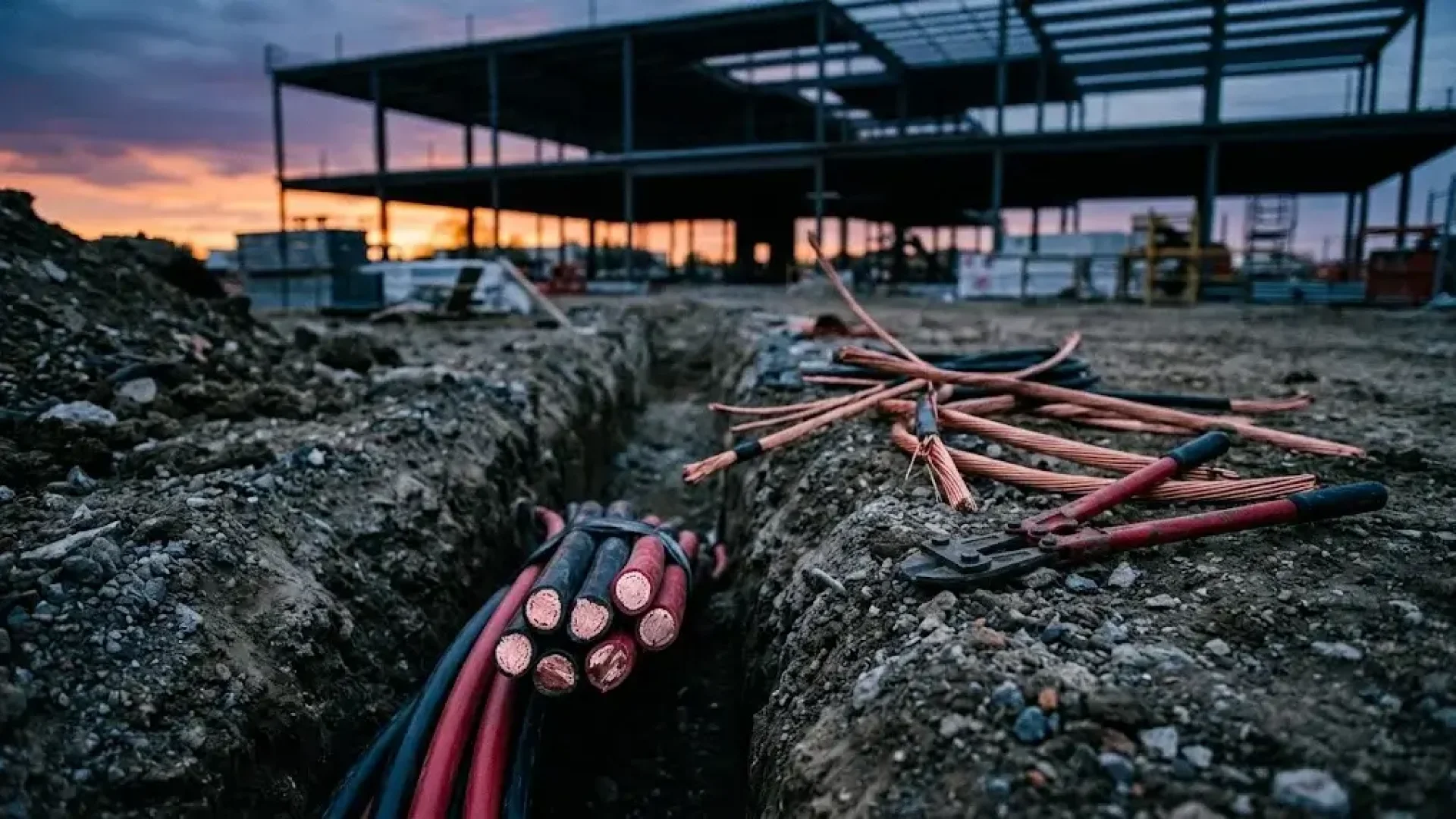
August Is the Peak Month for Construction Site Theft Every Year. This Year, Copper at Record Prices Made the Math Even Worse.
Copper has climbed to a record $8 per pound, and construction sites — where copper wire, piping, and grounding material sit staged and often unsecured — have become one of the most efficient places for organized theft rings to source it. August is the historical peak month for construction site theft nationally, and industry trackers report jobsite theft nearly doubled between 2024 and 2025, with the trend continuing into 2026.
ConstructConnect’s coverage of the copper theft spike ties the surge directly to record commodity pricing making the theft-to-resale math more attractive than ever.
Copper at Eight Dollars and Sites Left Open
The seasonal pattern is consistent: more active sites in summer, more material staged in the field, more high-value copper left exposed over weekends when project timelines are most compressed. Thieves increasingly target Conex boxes and storage containers directly, and unlocked or unsecured gates remain the single most common enabler of a successful theft.
Typical incidents involve:
- Copper wire, piping, and grounding material staged in laydown areas ahead of installation
- Conex boxes and storage containers targeted directly for their contents
- Weekend and overnight windows when supervision is lowest and staged material sits longest
- Unsecured or unlocked gates as the primary point of entry
Unlike equipment theft, staged copper is rarely tracked or serialized, which makes it both easier to steal and harder to recover once it’s gone.
Northern California construction markets carry meaningful exposure here, given active project volume through the summer and fall building season.
Why Rising Metal Prices Land on the Job Site First
At $8/pound, a modest amount of staged copper wire represents real, immediate cash value to a thief — the incentive has changed even if a site’s security posture hasn’t.
Modern construction site security may rely on multiple layers of protection, including:
- Locked storage containers for staged copper and other high-resale material
- Gate security and controlled site access
- Security cameras covering laydown and storage areas specifically
- Licensed security personnel and patrol timed to weekends and overnight hours
Each layer can reduce exposure.
But each layer also needs to be maintained, monitored, and reviewed as commodity pricing changes what’s actually worth stealing on a given site.
After-Hours Access Nobody Is Tracking
Sites secured against equipment theft — immobilized machinery, tracked assets — often leave staged raw material, copper specifically, under far lighter protection, treating it as ordinary inventory rather than the high-value target it’s currently become.
That creates a gap between equipment security and material security.
The question is no longer simply whether the site’s machinery is locked down.
The more important question is whether the staged material sitting in the laydown yard right now reflects its actual resale value — not last year’s.
What Construction Operators Should Review
1. Treat Staged Copper as High-Value Inventory, Not Bulk Material
Lock it in containers, not open laydown areas, especially over weekends when it sits longest without supervision.
2. Audit Gate Security Specifically
Unsecured gates remain the top enabler of site theft. A site can have cameras everywhere and still be exposed at the one unlocked entry point.
3. Adjust Patrol Timing to Weekends and the Overnight Window
Theft peaks exactly when supervision typically drops. Coverage should intensify on the windows that matter, not run on a flat schedule.
4. Reassess Exposure as Copper Pricing Moves
The incentive to steal scales with commodity price, so security posture should be reviewed each time pricing hits a new high — not on a fixed annual schedule.
The Commodity Market Sets Your Theft Risk
This isn’t a story about construction sites getting less secure.
It’s a story about a commodity price spike changing what’s worth stealing — and most site security plans haven’t been updated to reflect it.
Protecting a construction site requires more than locking down machinery.
Builders need to understand which staged materials carry the highest resale value right now, and make sure security posture keeps pace with pricing, not just the project calendar.
A More Complete Approach to Construction Security
SPADE Security Services helps builders and trade contractors build security programs around the actual materials, schedules, and exposure of their sites — not a generic patrol rotation.
Our approach can combine intelligent surveillance, remote monitoring, licensed security personnel, patrol, visible deterrence, access management, and response based on the project’s specific exposure.
The objective is not to replace one security layer with another.
It is to make the layers work together.
Because protecting a construction site isn’t simply about locking down equipment.
It’s about making sure the staged material sitting in the laydown yard tonight is protected in proportion to what it’s actually worth.
Copper at record prices changes the math on your site overnight. Your security strategy should keep pace with the price, not the calendar.
Schedule a Construction Security Consultation
SPADE Security Services | Rocklin, CA | Veteran-owned | DVBE certified
Serving Placer, Sacramento, and El Dorado counties
Licensed by the California Bureau of Security and Investigative Services
PPO121804
What should a builder do first after discovering copper or material theft on-site?
Builders should document the missing material with photos and quantities, file a police report, notify the project owner and insurance carrier, and review gate and container security for the affected area immediately.
They should also check whether the theft window aligns with a specific gap in patrol or supervision coverage.
Why is copper specifically targeted on construction sites right now?
Copper has reached a record $8 per pound, making even modest quantities of staged wire or piping worth a meaningful resale value — a significant shift from prior pricing that makes construction sites a more attractive target than before.
Does having site cameras mean staged material is protected?
Not on its own. Cameras document an incident but don’t prevent it — locked storage, controlled gate access, and patrol timed to high-risk windows are what actually reduce the chance of theft occurring.
How often should a construction site reassess its security posture?
Beyond a standard periodic review, sites should reassess whenever a staged material’s commodity value changes significantly — a copper price spike, for example — since that directly changes what’s worth stealing on-site.
SPADE Security Services | Rocklin, CA | Veteran-owned | DVBE certified | Serving Placer, Sacramento & El Dorado counties
Licensed by the California Bureau of Security and Investigative Services


THE ACE IN SECURITY
Menu
Stay Ahead of Security Threats
Get Spade Security’s latest insights, incident breakdowns and company news in your inbox — only when we publish.
Text size: 100%