
Cargo Theft Incidents Dropped 26% in Q2 2026. Losses More Than Doubled to Over $300 Million.
Author
Pranil Shankar
Post Date
August 28, 2026
Views
190
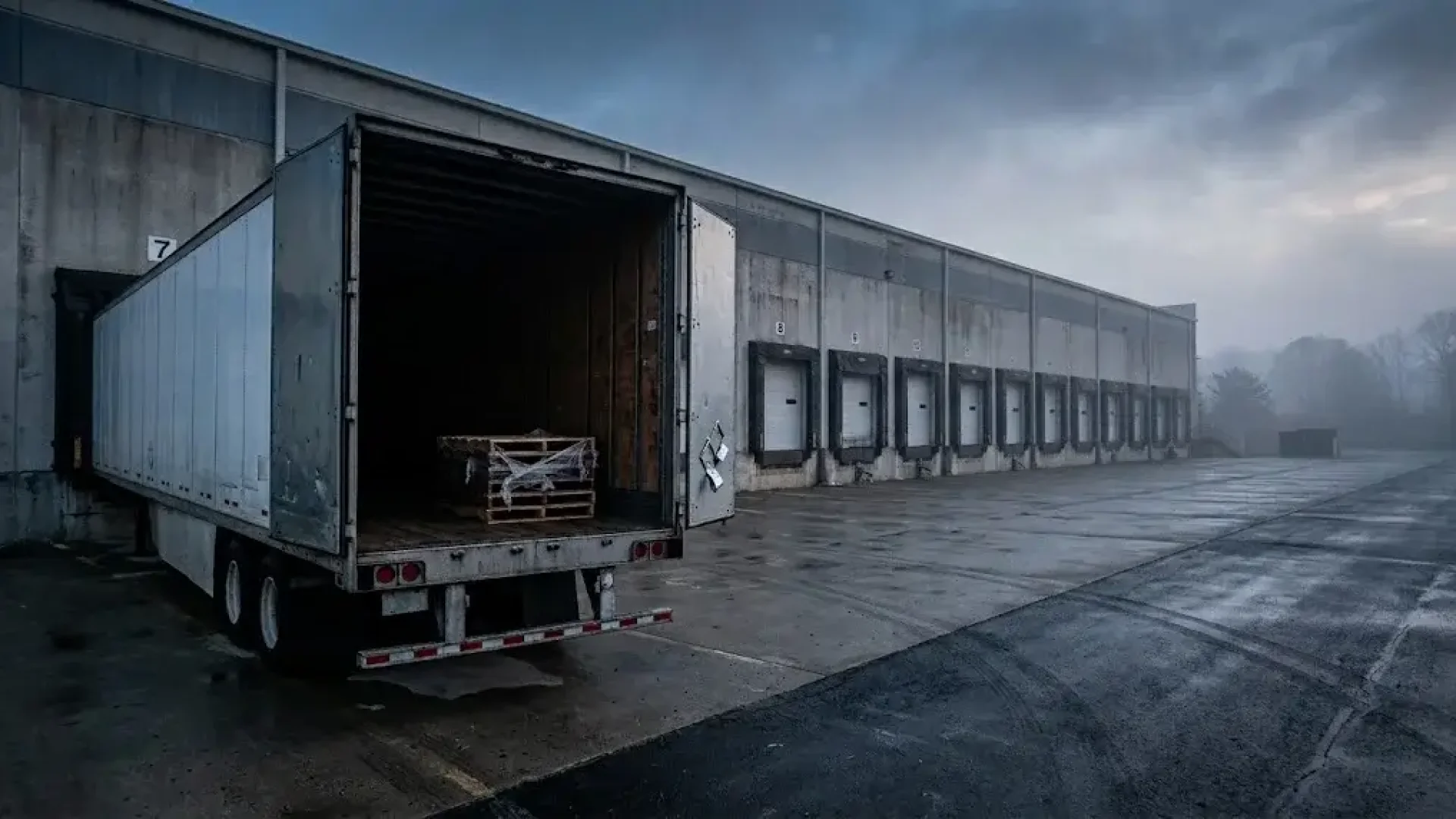
Fewer Trucks Are Getting Hit. The Ones That Are Getting Hit Are Getting Hit Much Harder — And Most Logistics Operators Haven’t Adjusted for It.
Cargo theft incidents fell 26 percent in the second quarter of 2026 compared to the same period last year — normally the kind of number that would read as good news. Instead, total losses more than doubled, climbing past $300 million, up from $135.7 million in Q2 2025, according to the latest industry loss data.
The math only works one way: organized theft rings are hitting fewer targets, but choosing far more valuable ones, and walking away with dramatically bigger paydays per incident.
Insurance Journal’s August 14 report on Q2 2026 cargo theft data shows the shift toward higher-value, more selective targeting across the logistics sector.
Fewer Incidents, More Than Double the Losses
Industry analysts point to a meaningful shift in how organized cargo theft rings operate: instead of opportunistic trailer hits, groups are increasingly using stolen digital credentials, forged carrier identities, and insider freight-platform access to identify and intercept specific high-value loads before they ever leave a facility — nearly a third of recent U.S. incidents involved no physical break-in at all.
Typical patterns now include:
- Targeting loads identified in advance through compromised freight-matching platforms
- Insider intelligence on high-value shipment schedules and staging locations
- Warehouse and facility theft overtaking in-transit theft as a leading loss category
- Concentrated targeting of electronics, computer/networking equipment, and copper
Unlike a hijacked trailer on the highway, this kind of loss often isn’t discovered until a shipment fails to arrive — by which point the theft ring is long gone.
Northern California’s logistics corridors carry meaningful exposure here, given the concentration of distribution facilities and the freight volume moving through the region daily.
Value at Risk Is the Number That Moved
A facility that hasn’t had an incident in months can still be sitting on a growing exposure, because the risk has shifted from “how often are we targeted” to “how much is at stake the one time we are.”
Modern logistics security may rely on multiple layers of protection, including:
- Dual-approval release protocols for high-value shipments
- GPS tracking and geofencing on high-value loads
- Pre-shipment carrier vetting
- Dispatcher and freight-platform credential security
- Warehouse-specific surveillance, not just in-transit coverage
- Licensed security personnel and patrol at staging and dock areas
Each layer can reduce exposure.
But each layer also needs to be maintained, monitored, and considered as part of the facility’s overall security strategy — especially as the value concentration of what’s being targeted keeps shifting.
Security Priced by Incident Count, Not Load Value
Most facility security budgets are still weighted toward preventing frequent, low-value incidents — not the rarer, high-value hit that now accounts for the majority of real dollar loss.
That creates a gap between incident frequency and incident severity.
The question is no longer simply how often a facility gets targeted.
The more important question is whether the facility’s security posture scales with what’s actually at stake in the load sitting on the dock right now.
What Logistics Operators Should Review
1. Know Which Loads Carry Outsized Exposure
Electronics, networking hardware, and copper are the current concentration points. Security posture should scale with cargo value, not treat every load identically.
2. Treat Freight-Platform Credentials as a Physical Security Asset
A compromised dispatcher login is now a direct pathway to a warehouse loss. Rotate credentials, monitor access, and revoke on role change.
3. Add Dual-Approval on High-Value Release
A single point of authorization is the exact gap higher-stakes theft rings are exploiting. Require a second verification step before high-value freight leaves the facility.
4. Extend Surveillance Past the Dock Door
With warehouses now a leading theft location, coverage needs to match where the loss is actually happening — not just where trucks come and go.
A Falling Chart Can Hide a Rising Risk
This isn’t a story about theft going away.
It’s a story about theft getting smarter about where it spends its effort — and operators need a security posture that reflects value at risk, not just incident frequency.
Protecting a logistics operation requires more than counting incidents year over year.
Operators need to understand which loads carry the most exposure, how theft rings are actually gaining access, and how technology connects to a real physical security response.
A More Complete Approach to Logistics Security
SPADE Security Services helps logistics and warehouse operators build security programs around the actual value and movement patterns of their freight — not a generic patrol schedule.
Our approach can combine intelligent surveillance, remote monitoring, licensed security personnel, patrol, visible deterrence, access management, and response based on the facility’s specific exposure.
The objective is not to replace one security layer with another.
It is to make the layers work together.
Because protecting a logistics operation isn’t simply about counting how often something goes missing.
It’s about making sure the security posture matches what’s actually at risk in the load sitting on the dock tonight.
Fewer incidents can still mean bigger losses. Your security strategy should be built around value at risk, not just incident count.
Schedule a Logistics Security Consultation
SPADE Security Services | Rocklin, CA | Veteran-owned | DVBE certified
Serving Placer, Sacramento, and El Dorado counties
Licensed by the California Bureau of Security and Investigative Services
PPO121804
What should a logistics operator do first after a suspected high-value cargo loss?
Operators should preserve all shipment records, dispatch logs, and camera footage, file a police report, and notify their insurance carrier and any affected customers immediately.
They should also audit which credentials had access to the shipment data and whether freight-platform accounts show signs of compromise.
Does a lower theft incident count mean a facility is more secure?
Not necessarily. Q2 2026 data shows incidents dropping while total dollar losses more than doubled — meaning the remaining incidents are increasingly high-value, targeted hits rather than opportunistic theft.
Why does warehouse security matter as much as in-transit cargo security?
Warehouses and facilities have overtaken roads as a leading theft location in recent data. A security plan built only around protecting trucks in transit leaves the facility itself under-protected.
How can logistics operators identify which shipments carry the highest risk?
Start by cataloging which SKUs and cargo types are currently being targeted most — electronics, networking equipment, and copper lead current patterns — and align dual-approval, tracking, and patrol resources around those specific categories.
SPADE Security Services | Rocklin, CA | Veteran-owned | DVBE certified | Serving Placer, Sacramento & El Dorado counties
Licensed by the California Bureau of Security and Investigative Services


THE ACE IN SECURITY
Menu
Stay Ahead of Security Threats
Get Spade Security’s latest insights, incident breakdowns and company news in your inbox — only when we publish.
Text size: 100%