
Burglars Hit More Than 50 Storage Units in a Single Night. Most Self-Storage Security Still Assumes One Unit at a Time.
Author
Pranil Shankar
Post Date
September 7, 2026
Views
255
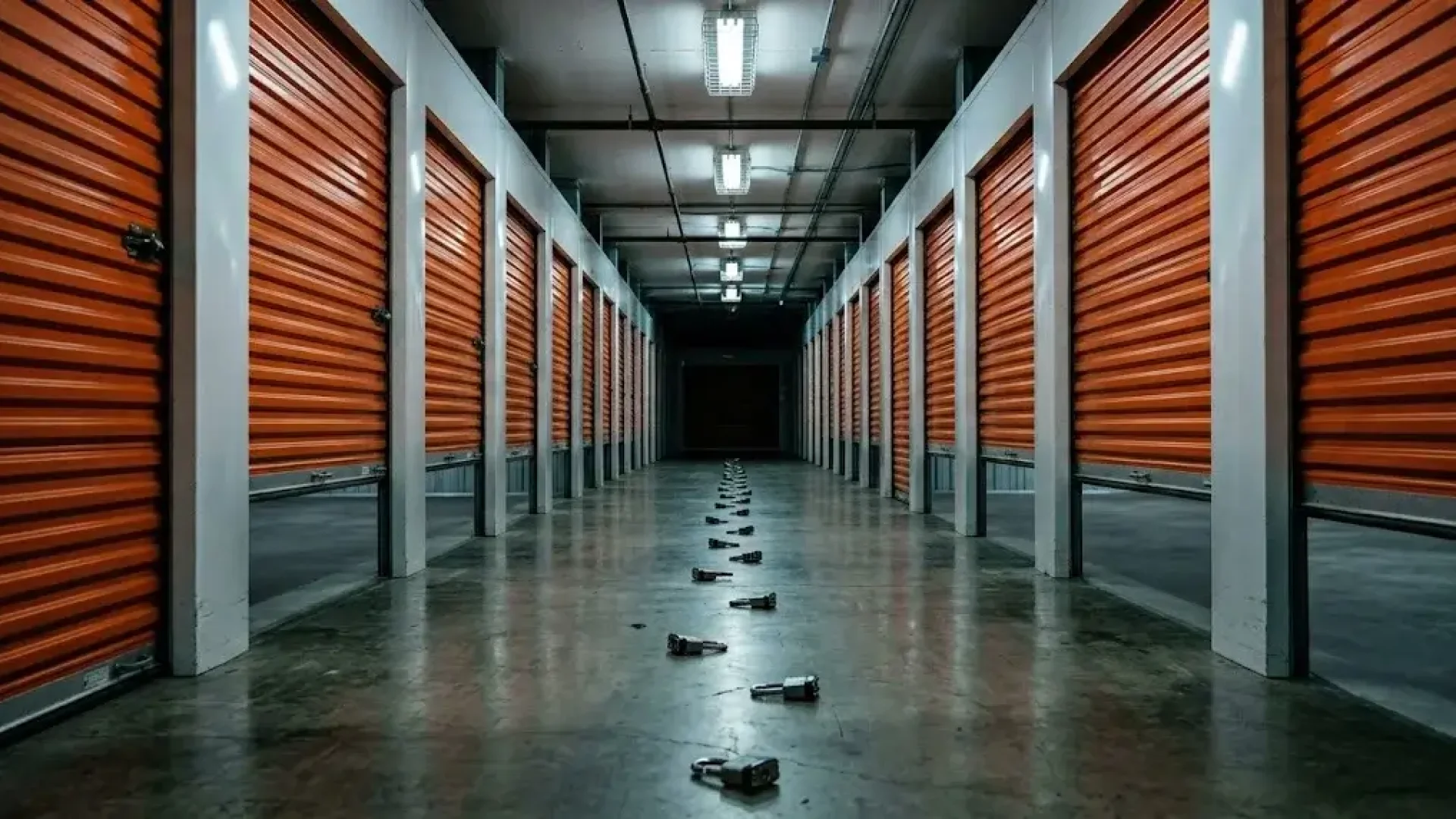
One lock, one gate, one camera at the entrance — and 50 units were open before anyone noticed.
In early August 2026, burglars broke into more than 50 storage units at a US Storage Centers facility in Santa Rosa and Sebastopol, California, in what tenants describe as a single coordinated overnight run through the property.
Most self-storage security is built around a simple assumption: a thief targets one unit, cuts one lock, and leaves. This incident didn’t follow that pattern at all.
The Press Democrat’s reporting on the Santa Rosa facility break-ins describes tenants discovering their units compromised in the days following the incident, with losses still being tallied across dozens of affected renters.
Industry data backs up how common this exposure has become: 57 percent of self-storage facilities report multiple break-ins, and the single most common entry method remains a thief with a low-cost pair of bolt cutters snipping a padlock in under five seconds — a method that scales just as easily to fifty units as it does to one.
Fifty Units in One Night at One Facility
A facility-wide break-in doesn’t require any special skill or tools. It requires time, low lighting, and the absence of anyone who would notice a person moving unit to unit for an extended period.
Typical exposure looks like:
- Standard padlocks that can be defeated with bolt cutters in seconds, regardless of unit count
- Perimeter and drive-aisle lighting that leaves gaps between camera coverage zones
- Overnight and weekend windows when no staff or patrol presence is on-site
- Facilities where a single breach point (a cut fence, a propped gate) grants access to the entire property, not just one unit
Once inside the perimeter, a thief working methodically can move from unit to unit for hours without triggering any single-unit alarm, because most storage security is designed to flag forced entry — not sustained, multi-unit presence.
Northern California self-storage operators carry direct exposure here, given the concentration of facilities across Sonoma, Sacramento, Placer, and El Dorado counties.
One Lock Per Unit Is Not a Facility Plan
A facility that appears secure — gated, individually locked, camera-equipped — can still be exposed to a coordinated overnight run if those layers aren’t monitored and responded to in real time.
Modern self-storage security may rely on multiple layers of protection, including:
- Perimeter fencing and controlled gate access with logged entry
- Continuous camera coverage across drive aisles, not just entry points
- Live monitoring or licensed patrol during overnight and weekend hours
- Tenant notification systems for unusual after-hours activity
Each layer can reduce exposure.
But each layer also needs active monitoring — a camera that records but isn’t watched, or a gate log that’s reviewed only after a loss is reported, doesn’t stop a multi-unit run in progress.
Where the Perimeter Ends and Nobody Is Watching
Most self-storage security is designed and priced around single-unit incidents: one cut lock, one insurance claim, one tenant notified.
That creates a gap between what the security plan assumes and what an overnight, facility-wide breach actually looks like.
The question is no longer simply whether each individual unit has a lock.
The more important question is whether anyone — or anything — would notice a person moving through the property for an extended period undetected.
What Storage Operators Should Review
1. Move Beyond Individual Padlocks as the Primary Defense
A padlock deters an opportunistic thief targeting one unit. It does nothing to slow someone who has already breached the perimeter and has time to work through dozens of units.
2. Audit Perimeter Breach Points, Not Just Unit Locks
A single cut fence line or propped gate can expose the entire facility. Perimeter integrity deserves the same attention as individual unit security.
3. Add Live Monitoring for Overnight and Weekend Hours
Recorded footage helps after the fact. Live-monitored or patrolled coverage during the highest-risk windows can catch a multi-unit run while it’s still happening.
4. Establish Rapid Tenant Notification Protocols
The longer it takes tenants to learn their unit was affected, the harder it becomes to document losses accurately and respond quickly.
Scale Is the Threat Storage Security Ignores
This wasn’t fifty separate break-ins. It was one breach of the property, repeated fifty times because nothing stopped it after the first unit.
Protecting a self-storage facility requires more than making sure every tenant has a lock on their door.
Operators need to understand that a compromised perimeter is a facility-wide problem, not a unit-by-unit one, and build security around detecting sustained presence — not just forced entry.
A More Complete Approach to Self-Storage Security
SPADE Security Services helps storage operators build security programs around how facility-wide breaches actually happen — sustained, multi-unit, and often overnight — not a generic per-unit lock strategy.
Our approach can combine intelligent surveillance, remote monitoring, licensed security personnel, patrol, visible deterrence, access management, and response based on the property’s specific exposure.
The objective is not to replace one security layer with another.
It is to make the layers work together.
Because protecting a storage facility isn’t simply about the lock on each unit.
It’s about making sure a breach of the perimeter doesn’t turn into a breach of fifty units before anyone notices.
A coordinated overnight run can compromise dozens of units before the first tenant finds out. Your security strategy should account for sustained access, not just a single cut lock.
Schedule a Self-Storage Security Consultation
SPADE Security Services | Rocklin, CA | Veteran-owned | DVBE certified
Serving Placer, Sacramento, and El Dorado counties
Licensed by the California Bureau of Security and Investigative Services
PPO121804
What should a storage operator do first after discovering a multi-unit break-in?
Operators should secure the breached perimeter point immediately, pull camera footage covering the full window of exposure, notify all potentially affected tenants, and file a police report documenting the scope of the incident.
Does an individual unit lock protect against a facility-wide breach?
Not once someone is already inside the perimeter with time to work. A padlock deters opportunistic single-unit theft, but it does very little against someone who has already breached the fence line and has hours to work through multiple units.
Why do facility-wide storage break-ins often go undetected until tenants report losses?
Most storage security is built to flag forced entry on a single unit, not sustained presence across a property. Without live monitoring or patrol, a person moving unit to unit overnight may not trigger any alert until tenants discover the damage themselves.
What’s the fastest way for a storage facility to reduce this exposure?
Start with perimeter integrity — fencing, gate access logging, and lighting — since that’s the single breach point that turns an isolated incident into a facility-wide one, then add live monitoring or patrol for overnight and weekend hours when supervision is lowest.
SPADE Security Services | Rocklin, CA | Veteran-owned | DVBE certified | Serving Placer, Sacramento & El Dorado counties
Licensed by the California Bureau of Security and Investigative Services


THE ACE IN SECURITY
Menu
Stay Ahead of Security Threats
Get Spade Security’s latest insights, incident breakdowns and company news in your inbox — only when we publish.
Text size: 100%