
2.2 Million Vehicles Were Found Vulnerable to a Dealer-Installed Anti-Theft System
Author
Pranil Shankar
Post Date
July 21, 2026
Views
227
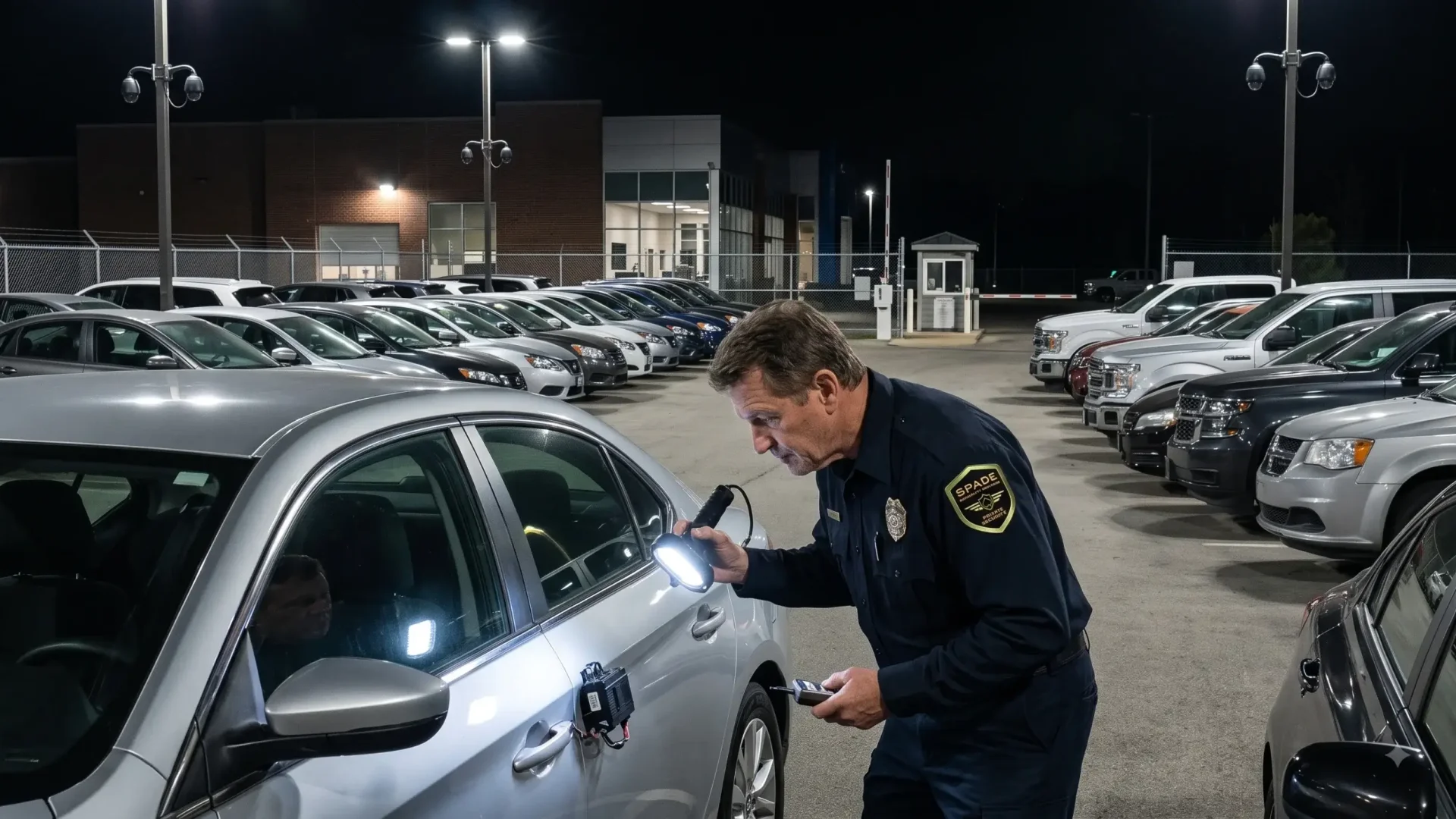
Millions of Vehicles Had a Security System Designed to Protect Them. Researchers Found a Vulnerability That Could Put Them at Risk.
At least 2.2 million vehicles were found vulnerable to an attack involving a dealer-installed KARR-SWDS anti-theft system, according to researchers at the University of California San Diego.
The findings were published by UC San Diego on July 21, 2026. Researchers found that the system could allow an attacker within Bluetooth range to lock or unlock vehicle doors and immobilize engines remotely.
UC San Diego’s report details the vulnerability, affected systems, and the manufacturer’s response.
What Happened?
The KARR-SWDS system is installed by dealerships as an anti-theft and vehicle inventory-management tool.
The system connects to a vehicle through Bluetooth and can perform functions similar to a key fob, including:
- Locking and unlocking vehicle doors
- Activating the horn
- Flashing headlights
- Preventing the vehicle from starting
Researchers discovered that the systems relied on the same security key across the devices they examined. Once that key was compromised, researchers were able to demonstrate access to vehicles equipped with the system.
According to UC San Diego, the vulnerable vehicles were primarily sold through Honda, Toyota, Mazda, Ford, and Jeep dealerships in Southern California from 2017 onward.
Because many of these vehicles have since been resold, affected vehicles may now be located elsewhere.
The manufacturer released a firmware update on July 20, 2026, to address the vulnerability.
Why It Matters to Dealership Operators
The incident highlights a security issue dealerships cannot afford to overlook:
The technology protecting your inventory can become part of the security exposure.
Modern dealerships may rely on multiple layers of protection, including:
- Vehicle anti-theft systems
- GPS and tracking technology
- Surveillance cameras
- Alarm systems
- Access control
- Remote monitoring
- Security patrols
Each layer can provide protection.
But each layer also needs to be maintained, monitored, and considered as part of the dealership’s overall security strategy.
The Security Gap
A dealership can have cameras covering its inventory while a separate security device installed directly inside the vehicles contains an unresolved vulnerability.
That creates a gap between technology security and physical security.
The question is no longer simply whether a dealership has security technology.
The more important question is whether the different layers of security continue to work together when an actual threat occurs.
What Dealership Operators Should Review
1. Know What Security Technology Is Installed
Maintain an accurate record of anti-theft devices, tracking systems, alarms, and other security technology installed on dealership inventory.
2. Monitor Security Advisories and Updates
Security technology requires maintenance. Dealerships should have a process for identifying relevant vulnerabilities, firmware updates, recalls, and manufacturer advisories.
3. Protect the Physical Inventory
Technology should complement—not replace—physical security measures such as surveillance, lighting, controlled access, patrol, and after-hours monitoring.
4. Identify High-Value Exposure
Determine where high-value vehicles are located and whether those areas receive the appropriate level of visibility and protection after the dealership closes.
5. Connect Detection With Response
A security alert has limited value if nobody is responsible for verifying it and determining what happens next.
Establish a clear after-hours response process.
The Bigger Lesson
The UC San Diego findings are not simply a story about one anti-theft system.
They demonstrate how dealership security is becoming increasingly dependent on both physical protection and connected technology.
Protecting vehicle inventory requires more than installing security devices.
Dealership operators need to understand what those systems do, how they are maintained, where vulnerabilities exist, and how technology connects to the physical security operation.
A More Complete Approach to Dealership Security
SPADE Security Services helps dealerships build security programs around the actual conditions of their inventory and property.
Our approach can combine intelligent surveillance, remote monitoring, licensed security personnel, patrol, visible deterrence, access management, and response based on the dealership’s specific exposure.
The objective is not to replace one security layer with another.
It is to make the layers work together.
Because protecting dealership inventory isn’t simply about installing another security device.
It’s about making sure the different layers of protection work together when the dealership is closed and the risk is highest.
Your vehicles are your inventory. Your security strategy should be built around protecting them.
Schedule a Dealership Security Consultation
SPADE Security Services | Rocklin, CA | Veteran-owned | DVBE certified
Serving Placer, Sacramento, and El Dorado counties
Licensed by the California Bureau of Security and Investigative Services
PPO121804
What should dealerships do if they use the affected KARR-SWDS system?
Dealerships should identify whether affected systems are installed on their vehicles and confirm that the appropriate firmware update or remediation has been applied.
They should also review the system as part of their broader physical security program.
Does having an anti-theft system mean dealership inventory is fully protected?
No. Anti-theft technology is one layer of protection.
Dealerships should also consider surveillance, after-hours monitoring, access control, patrol, lighting, perimeter security, and an established response process.
Why does after-hours security matter for dealerships?
Vehicle inventory remains exposed after employees leave the property.
Without appropriate monitoring and response, suspicious activity may not be identified until after vehicles have been damaged, stolen, or tampered with.
How can dealerships improve their overall security strategy?
Start by identifying the inventory, areas, access points, and operating periods carrying the greatest risk.
From there, security technology, personnel, monitoring, patrol, and response can be coordinated around the property’s actual requirements.
SPADE Security Services | Rocklin, CA | Veteran-owned | DVBE certified | Serving Placer, Sacramento & El Dorado counties
Licensed by the California Bureau of Security and Investigative Services


THE ACE IN SECURITY
Menu
Stay Ahead of Security Threats
Get Spade Security’s latest insights, incident breakdowns and company news in your inbox — only when we publish.
Text size: 100%