Hundreds of vehicles can sit exposed across your dealership, overflow lots, and off-site inventory areas long after your team has gone home. Theft, vandalism, and unauthorized activity don’t need an open showroom—they need an unattended lot.
SPADE turns your dealership’s after-hours exposure into an actively monitored, protected environment.
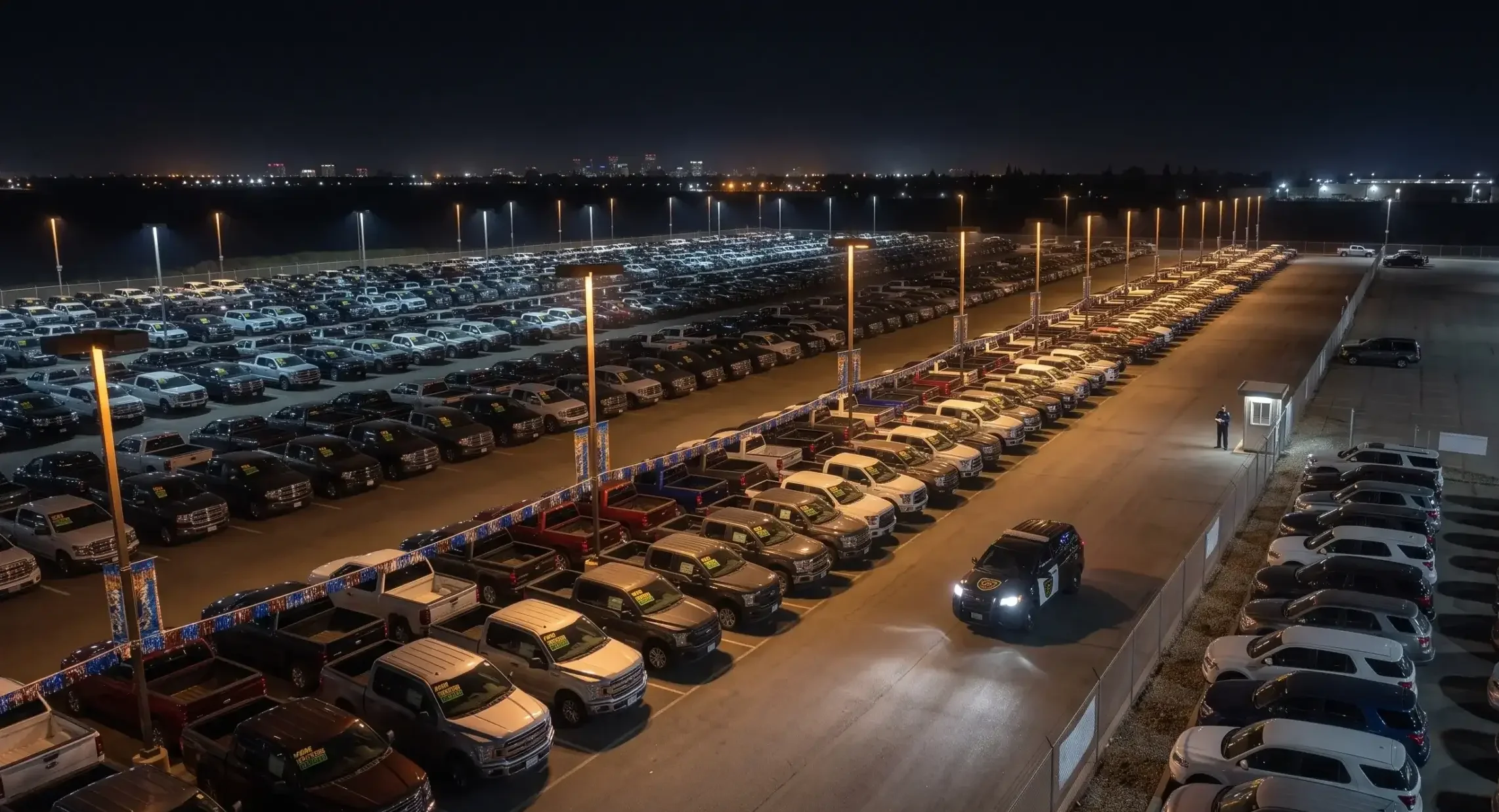
A dealership lot can hold hundreds of vehicles across a large footprint. Every vehicle represents capital. Every unsecured area creates exposure. And every incident can affect more than inventory.
For a dealership general manager, security isn’t separate from the customer experience. And customers notice when a dealership doesn’t appear to have control of its property.
SPADE approaches dealership security with that reality in mind.
Maintain visibility across vehicle rows, entrances, perimeter areas, employee parking, overflow lots, and other vulnerable locations during unattended hours.
Security resources can be positioned around the areas and inventory that represent the greatest exposure, helping deter unauthorized access, theft, and vandalism.
Identify unauthorized people, vehicles, and activity around the dealership before a situation develops into vehicle theft or property damage.
The objective isn’t simply to document a stolen or damaged vehicle. It’s to reduce the incidents that create insurance claims, repair work, downtime, and management headaches.
Dealership security isn’t static.
New inventory arrives.
Vehicles move between lots.
Test drives change traffic patterns.
Overflow inventory creates new exposure.
Off-site lots introduce additional security challenges.
Your security program needs to account for those changes.
SPADE works with dealerships that need security coverage to adapt to vehicle inventory, lot configuration, operating hours, and changing risk conditions—rather than forcing every dealership into the same predefined package.
A dealership general manager shouldn’t have to spend their day dealing with:
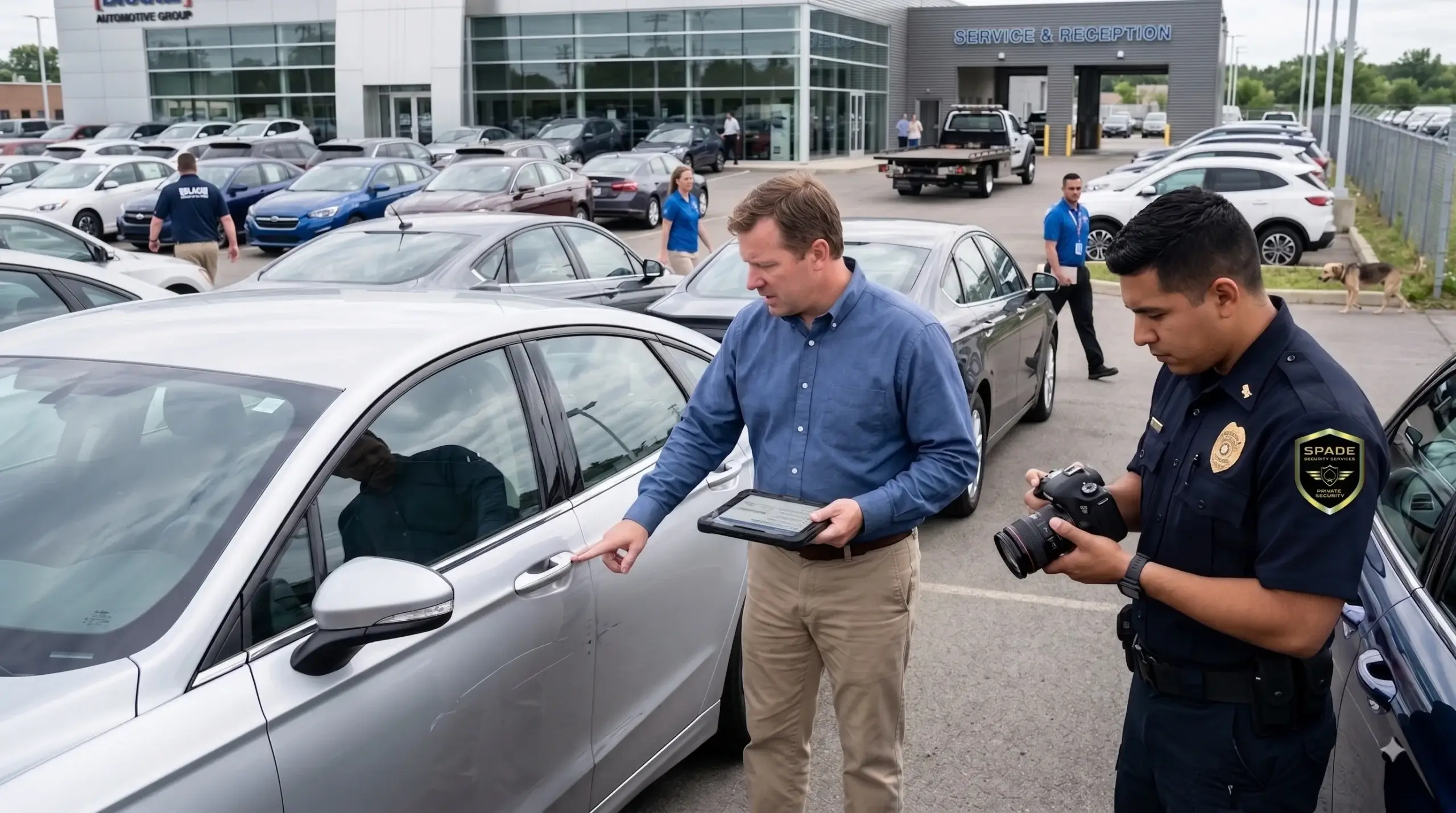
Security personnel trained to operate around vehicle inventory, customer-facing environments, employee areas, service operations, and active dealership properties.
Security coverage can be positioned around vehicle rows, entrances, perimeter areas, overflow inventory, employee parking, and other locations where exposure is greatest.
Identify suspicious activity and vulnerable areas before they become vehicle theft, vandalism, or property-damage incidents.
+clients
% Rate
01
Reduce exposure to vehicle theft, unauthorized access, vandalism, and other threats affecting high-value inventory.
02
Maintain awareness across vehicle rows, entrances, perimeter areas, employee parking, overflow lots, and other vulnerable locations.
03
Maintain active surveillance and security coverage during nights, weekends, holidays, and other periods when dealership personnel aren’t present.
04
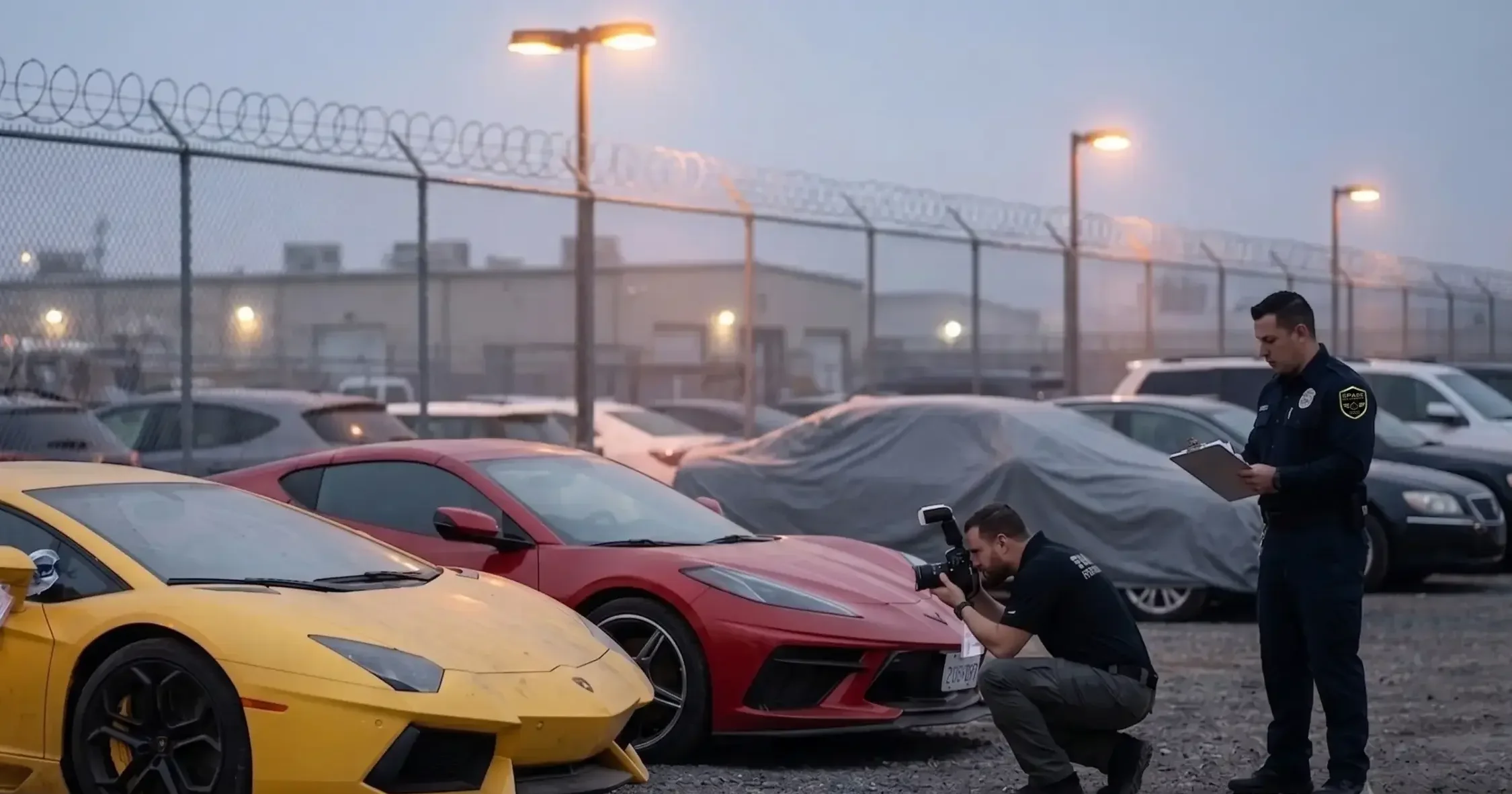
Deter and identify activity that can result in damaged vehicles, broken windows, property damage, and costly repairs.
05
Identify suspicious people, vehicles, and activity earlier so appropriate action can be taken before an incident escalates.
06
Give dealership management greater visibility across large and off-site lots without requiring someone from the dealership to constantly monitor them.
07
Identify and address sources of damage—from criminal activity to animals entering the lot and scratching vehicles.
Every vehicle on your lot represents capital.
Protecting that inventory means more than installing cameras and hoping they deter someone.
SPADE helps dealerships improve after-hours visibility, deter unauthorized activity, and respond to threats before they become costly losses.
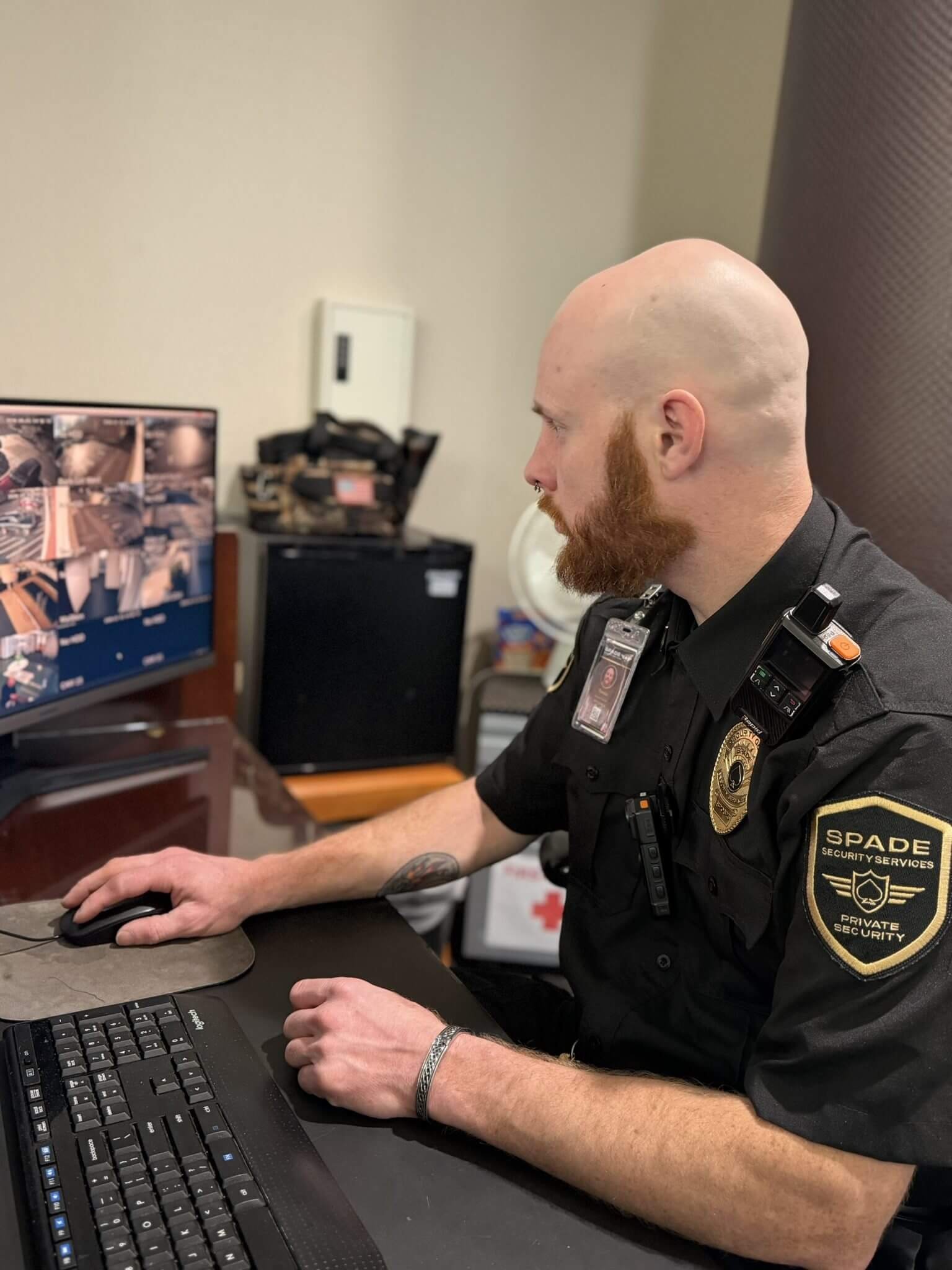
SPADE can combine remote monitoring, intelligent surveillance, security patrols, and response capabilities to maintain visibility when dealership personnel are no longer on-site.
Yes. Security coverage can be structured around multiple areas of a dealership’s operation, including primary lots, overflow inventory, employee parking, perimeter areas, and off-site vehicle storage.
SPADE can incorporate targeted surveillance, patrol activity, visible deterrence, and monitoring around areas where vehicles are most exposed after hours.
Detection can be connected to an appropriate response process so suspicious activity is addressed rather than simply recorded for management to discover the following morning.
Yes. Security coverage can be designed around dealership operating hours, vehicle movement, service operations, customer traffic, inventory changes, and other conditions specific to the property.