
Two Chicago-Area ER Shootings, One Pattern: The Gun Came In With the Patient. Here Is How Hospitals Close the Doors They Forget to Screen.
Author
Pranil Shankar
Post Date
September 28, 2026
Views
211
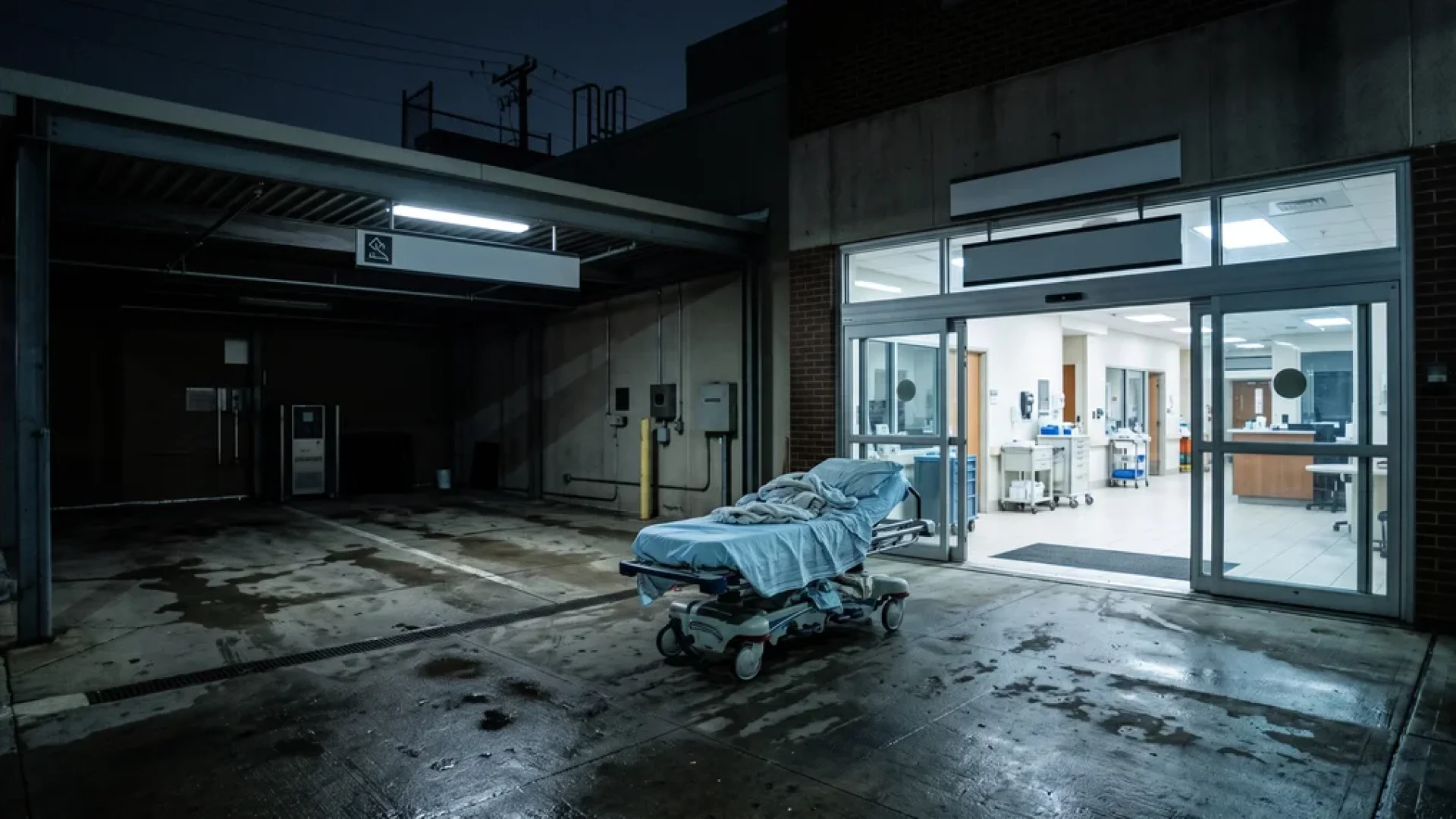
Neither gun came through the front door. One arrived by ambulance. The other arrived in police custody.
Security takeaway: Most hospital weapons screening is built around the lobby. The patients most likely to be carrying, and most likely to become violent, often arrive through the ambulance bay or under escort. A screening plan that skips those doors is screening the wrong people.
Two Chicago-Area Emergency Rooms, Two Shootings
On the evening of June 6, 2025, a 28-year-old man in apparent mental health distress agreed to be evaluated by paramedics and was taken by ambulance to the emergency department at Endeavor Health Evanston Hospital in Illinois. Inside, he became agitated. Two security officers went into the treatment area. During the struggle he produced a handgun and fired at least three times. A 33-year-old officer was shot in the arm and leg and needed surgery. A second officer, 47, was bitten while helping subdue him. Police later found a second gun among his belongings. He was charged with attempted first-degree murder, per ABC7 Chicago.
On April 25, 2026, at Endeavor Swedish Hospital in Chicago’s Albany Park, a man who had been arrested earlier that day for robbery was receiving treatment while in the custody of two Chicago police officers. According to published accounts, he pulled a pistol he had hidden under a blanket and shot both officers. Officer John Bartholomew, 38, was killed and his partner was critically wounded. The suspect fled into nearby homes before being captured, per the public record of the shooting.
The Pattern Both Cases Share
In both cases the weapon came into the building with the patient, through a path that most hospitals treat as clinical, not as a security entrance. One patient came in as a voluntary medical transport. The other came in under arrest. Each was brought straight to treatment, where staff and officers were within arm’s reach.
Hospitals rightly prioritize speed of care. The result is that the fastest way into the building, and the least screened, is the one used by patients in crisis.
A Practical Guide to Closing the Side Doors
1. Screen at the ambulance bay, not just the lobby.
A handheld wand or walk-through check at the EMS entrance, done while the patient is being handed off, adds seconds, not minutes. Belongings should be bagged, tagged, and stored outside the treatment room.
2. Treat custody arrivals as a separate protocol.
Patients brought in by police should be searched again at arrival, by hospital security working with the escorting officers, before any blanket, gown, or bedding is issued. Restraint and positioning policies should keep hands visible.
3. Search belongings, not just bodies.
The Evanston suspect had a second gun in his property. Personal bags and clothing need the same attention as the patient.
4. Put a behavioral trigger on the security call.
When a patient’s agitation escalates, security should be called early and should approach with a plan, not respond to a struggle already underway.
5. Staff the ED to the risk, not the average.
Overnight and weekend coverage should match the hours when intoxication, psychiatric holds, and custody arrivals peak.
6. Drill the lockdown.
Evanston locked its emergency department down quickly. That only happens when staff have rehearsed it.
What Screening Is and Is Not
Weapons screening is not about treating patients as suspects. It is about making sure that the person who needs care, the nurse providing it, and the officer escorting them are not sharing a room with an unknown firearm. Every one of those people was at risk in Evanston and Swedish.
Who Should Review Their Plan Now
- Emergency departments with a high share of psychiatric holds or intoxicated arrivals
- Hospitals that receive regular custody patients from local police or sheriff’s departments
- Urgent care and freestanding EDs with minimal overnight security staffing
- Any facility whose weapons screening covers the main entrance only
The Door Nobody Screens Is the One That Matters
Front-lobby metal detectors send a visible message. The ambulance bay and the custody hallway are where the risk is actually concentrated. A healthcare security program that covers those paths protects the people standing closest to the patient.
How SPADE Supports Healthcare Facilities
SPADE Security Services provides licensed security officers and assessments for healthcare facilities, with attention to emergency departments, ambulance entrances, and behavioral health areas. That includes entry screening design, de-escalation-trained officers, custody-arrival protocols developed with local law enforcement, and overnight staffing matched to peak-risk hours. Our Scan, Patrol, Advise, Defend, Encrypt model is built around the doors where violence actually starts.
Schedule a Healthcare Security Consultation
SPADE Security Services | Rocklin, CA | Veteran-owned | DVBE certified
Serving Placer, Sacramento, and El Dorado counties
Licensed by the California Bureau of Security and Investigative Services
PPO121804
Should hospitals screen patients arriving by ambulance?
Yes. A quick check and secure storage of belongings at the EMS entrance closes one of the most common paths for weapons into an emergency department.
Who is responsible for searching custody patients at a hospital?
The escorting officers remain responsible for their prisoner, but hospitals should have a written joint protocol so security and police search on arrival and before bedding or gowns are issued.
Do metal detectors in hospital lobbies work?
They deter and detect weapons at that entrance. They do nothing for patients who enter through the ambulance bay or under escort, which is why screening should cover every path into treatment areas.
How can emergency departments reduce violence against staff?
Early security involvement when a patient escalates, trained de-escalation, adequate overnight staffing, and weapons screening at every entry point used by patients.
SPADE Security Services | Rocklin, CA | Veteran-owned | DVBE certified | Serving Placer, Sacramento & El Dorado counties
Licensed by the California Bureau of Security and Investigative Services


THE ACE IN SECURITY
Menu
Stay Ahead of Security Threats
Get Spade Security’s latest insights, incident breakdowns and company news in your inbox — only when we publish.
Text size: 100%