
Organized Theft Rings Are Targeting Logistics Warehouses in Ways Most Operators Haven't Prepared For. Here's What the Latest Federal Warnings Reveal.
Author
Pranil Shankar
Post Date
August 22, 2026
Views
133
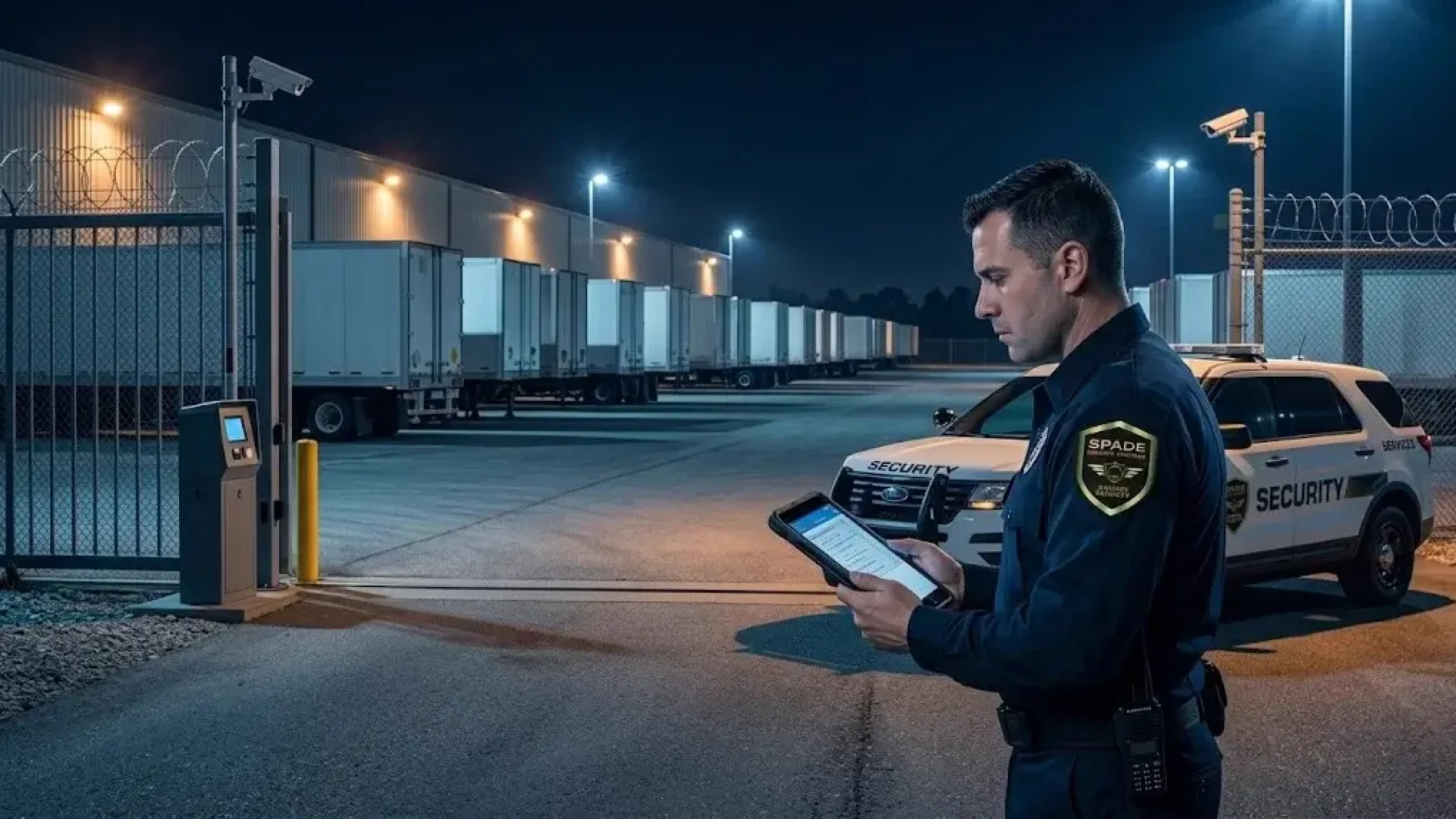
Federal Investigators Are Watching Organized Crime Rings Shift Their Focus to Logistics Warehouses. Most Operators Are Still Preparing for Yesterday’s Threat.
The FBI issued a public service announcement on April 30, 2026, warning the U.S. transportation and logistics industry of a sharp rise in cyber-enabled cargo theft. Estimated cargo theft losses in the U.S. and Canada reached nearly $725 million in 2025 — a 60 percent increase over 2024 — while confirmed incidents rose 18 percent and the average value per theft grew 36 percent to $273,990.
The FBI’s advisory describes a multi-stage attack chain active since at least 2024: attackers first compromise freight broker or carrier accounts through phishing sites that install remote monitoring software, gaining persistent, undetected access before flooding load boards with fraudulent listings and bidding on legitimate shipments using hijacked identities.
What Happened?
According to federal and industry reporting, organized theft rings are increasingly targeting warehouse and logistics operations through coordinated tactics.
These operations often involve:
- Pre-operational surveillance of loading docks and yards
- Fraudulent pickup of goods using forged paperwork or impersonated carriers
- Inside assistance from current or former employees
- Cyber-enabled targeting using shipment data and dispatcher credentials
- Trailer theft from unsecured yards during overnight hours
Unlike opportunistic theft, these networks operate with planning, communication, and follow-through.
California’s ports and inland logistics hubs represent a significant share of national freight volume, which correspondingly increases exposure to the tactics described in the advisory.
Because much of the stolen freight is resold through secondary markets or exported, affected operations may not detect the full scope of a theft ring’s activity for weeks.
The FBI and partner agencies have increased enforcement activity, but industry reporting indicates that the volume of attempts continues to rise.
Why It Matters to Warehouse and Logistics Operators
The shift highlights a security issue warehouse operators cannot afford to overlook:
The technology and procedures protecting your facility can become part of the exposure if they are not reviewed against current threat patterns.
Modern warehouse operations may rely on multiple layers of protection, including:
- Yard fencing and perimeter barriers
- Surveillance cameras and recorded video
- Access control at gates and doors
- GPS and tracking on trailers and high-value loads
- Alarm systems and intrusion detection
- Security patrols and gate guards
- Driver verification procedures
Each layer can provide protection.
But each layer also needs to be maintained, monitored, and considered as part of the facility’s overall security strategy.
The Security Gap
A warehouse can have cameras covering its dock doors while a separate logistics system contains shipment data that an attacker can already see.
That creates a gap between physical security and operational security.
The question is no longer simply whether a warehouse has cameras, fences, or guards.
The more important question is whether the different layers of protection continue to work together when an actual organized attempt occurs.
What Warehouse and Logistics Operators Should Review
1. Know Who Is Coming Onto the Property
Maintain accurate records of carriers, drivers, visitors, and contractors. Verify identity at the gate — not just paperwork at the dock.
2. Monitor Threat Intelligence and Industry Advisories
Cargo theft methods evolve quickly. Operators should have a process for identifying relevant FBI alerts, industry bulletins, insurance carrier advisories, and regional trend reports.
3. Protect the Physical Yard
Technology should complement — not replace — physical security measures such as lighting, perimeter fencing, controlled gate access, trailer seals, driver verification, and after-hours patrols.
Organized rings frequently rely on insider information. Conduct background checks, review access rights after role changes, and monitor for unusual dispatch or routing patterns.
4. Identify High-Value Exposure and Connect Detection With Response
Determine where high-value freight, electronics, pharmaceuticals, and apparel are staged and whether those areas receive the appropriate level of visibility and protection after the facility closes.
A security alert has limited value if nobody is responsible for verifying it and determining what happens next.
Establish a clear after-hours response process with defined roles and contacts.
The Bigger Lesson
The federal warnings are not simply a story about cargo theft.
They demonstrate how warehouse and logistics security is becoming increasingly dependent on both physical protection and connected information systems.
Protecting freight and facility operations requires more than installing cameras or hiring a guard.
Operators need to understand what those systems do, how they are maintained, where vulnerabilities exist, and how technology connects to the physical security operation.
A More Complete Approach to Warehouse and Logistics Security
SPADE Security Services helps logistics operators build security programs around the actual conditions of their yards, docks, and freight handling operations.
Our approach can combine intelligent surveillance, remote monitoring, licensed security personnel, patrol, visible deterrence, access management, and response based on the facility’s specific exposure.
The objective is not to replace one security layer with another.
It is to make the layers work together.
Because protecting warehouse operations isn’t simply about installing another security device.
It’s about making sure the different layers of protection work together when the facility is closed and the risk is highest.
Your freight is your inventory. Your security strategy should be built around protecting it.
Schedule a Logistics Security Consultation
SPADE Security Services | Rocklin, CA | Veteran-owned | DVBE certified
Serving Placer, Sacramento, and El Dorado counties
Licensed by the California Bureau of Security and Investigative Services
PPO121804
What should warehouse operators do first if they suspect organized theft activity?
Operators should report suspicious activity to local law enforcement and the FBI, review recent shipment and access records, and assess whether current physical and procedural controls are being followed at the point of intake.
They should also engage their insurance carrier and security partner to evaluate exposure across the operation.
Does having cameras and a gate guard mean a warehouse is fully protected?
No. Cameras and gate personnel are one layer of protection.
Operators should also consider trailer seals, driver verification, yard patrols, access control, intrusion detection, after-hours monitoring, insider risk programs, and an established response process.
Why does after-hours security matter for logistics operations?
Freight, trailers, and staging yards remain exposed after employees leave the property.
Without appropriate monitoring and response, suspicious activity may not be identified until after trailers have been breached, loads have been taken, or staged freight has been removed.
How can warehouse operators improve their overall security strategy?
Start by identifying the freight, areas, access points, and operating periods carrying the greatest risk.
From there, security technology, personnel, monitoring, patrol, and response can be coordinated around the facility’s actual requirements.
SPADE Security Services | Rocklin, CA | Veteran-owned | DVBE certified | Serving Placer, Sacramento & El Dorado counties
Licensed by the California Bureau of Security and Investigative Services

