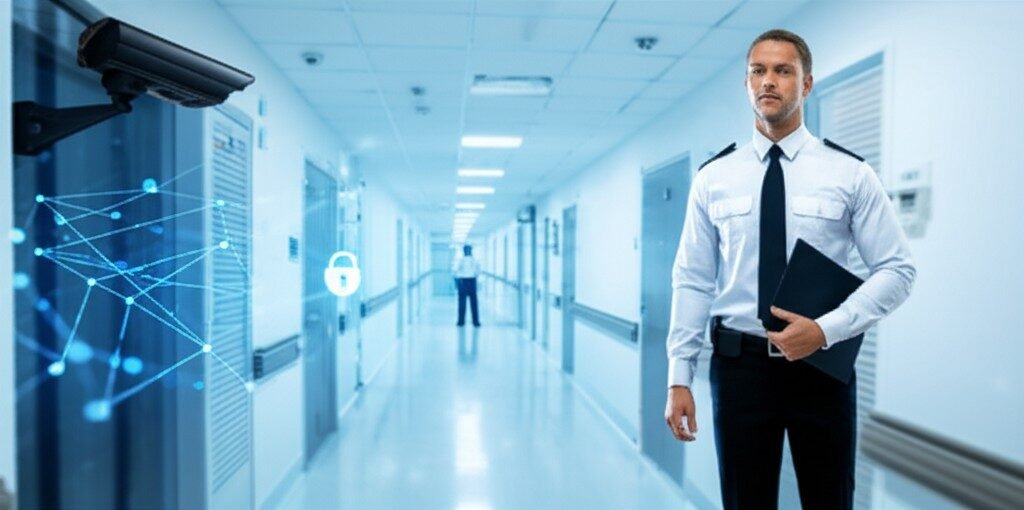
In today’s complex world, ensuring the safety and security of a healthcare facility is paramount. These institutions are not just buildings; they are sanctuaries for healing, places where vulnerable individuals entrust their well-being to dedicated professionals. The stakes are incredibly high, encompassing patient safety, staff protection, the integrity of sensitive data, and the prevention of theft and vandalism. A robust security strategy is not an option; it’s a critical necessity, a fundamental component of providing quality care and maintaining public trust. Failing to prioritize security can lead to devastating consequences, including compromised patient care, potential loss of life, legal liabilities, and irreparable damage to an institution’s reputation. Therefore, a proactive and comprehensive approach to healthcare facility security is indispensable.
The foundation of a secure healthcare environment lies in a multi-layered approach that addresses various potential threats. This begins with stringent access control measures. Limiting access to authorized personnel only, especially in sensitive areas like pharmacies, operating rooms, and records departments, is crucial. Implementing advanced identification systems, such as key cards, biometric scanners, and visitor management protocols, can significantly deter unauthorized entry. Furthermore, the strategic placement of well-trained security personnel acts as a visible deterrent and provides an immediate response capability in case of incidents. These guards are not just for show; they are trained to de-escalate potentially volatile situations, assist staff and patients, and conduct regular patrols, ensuring a constant security presence. Their expertise in risk management allows them to identify vulnerabilities before they are exploited, contributing to an overall safer environment.
Beyond physical presence, technology plays an increasingly vital role in modern healthcare security. A comprehensive surveillance system, incorporating high-definition CCTV cameras at key entry and exit points, as well as within common areas and parking lots, provides invaluable evidence and real-time monitoring. This visual oversight can deter criminal activity, assist in identifying suspicious individuals, and provide crucial information during investigations. Integrated alarm systems, emergency communication networks, and even sophisticated environmental monitoring systems all contribute to a secure infrastructure. The seamless integration of these technological solutions, managed by experienced security professionals, creates a robust shield that protects against a wide spectrum of threats, from petty theft to more serious security breaches. Investing in such a system is not an expense; it’s an investment in the peace of mind of everyone within the facility.
Ultimately, maintaining a secure healthcare facility is an ongoing commitment that requires constant vigilance and adaptation. It’s about creating a culture of safety awareness where both staff and visitors understand their role in maintaining security protocols. This includes clear signage, well-rehearsed emergency procedures, and regular security assessments to identify and mitigate emerging risks. The threat landscape is constantly evolving, and so too must the security measures in place. At Spade Security Services, we understand the unique challenges faced by healthcare institutions. Our team of highly trained security professionals specializes in developing and implementing tailored security solutions, from expert patrol services and advanced surveillance to comprehensive risk management strategies. We are dedicated to providing the highest level of protection, ensuring that your healthcare facility remains a safe haven for healing and care. Don’t leave the safety of your patients and staff to chance. Contact Spade Security Services today to discuss how we can fortify your facility and provide you with the peace of mind you deserve.